Group
Explore
Wish Lists
FAQ
launch-24px
Request a Video
Login
Group 3
Shape Copy 3
Group
Group 3
Shape Copy 3
Shape
Group 3
Explore
Wish Lists
FAQ
Login
keyboard-arrow-left
Back
Collection
2026 Releases
Share
Add Collection to Cart
Or
Add Collection to Wish List
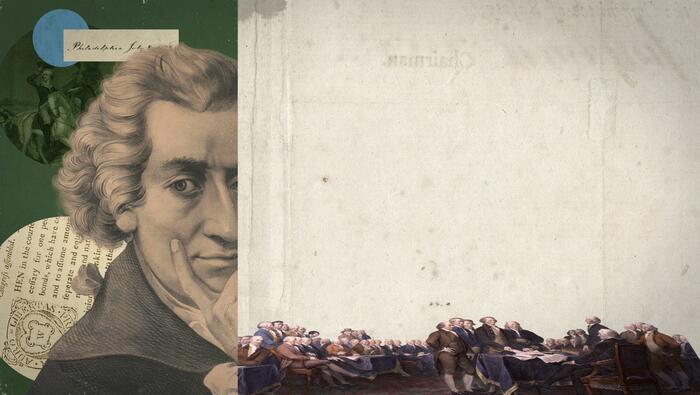
1776 New York City
In 1776, George Washington and the Continental Army faced British forces in a pivotal battle for control of New York City, marking a crucial point in the Revolutionary War.
Add to Wish List
Group
Add to Cart
Operation Pied Piper
During WWII, over 800,000 children were evacuated from their homes to the safety of the countryside, leaving their families behind to avoid deadly German air raids.
Add to Wish List
Group
Add to Cart
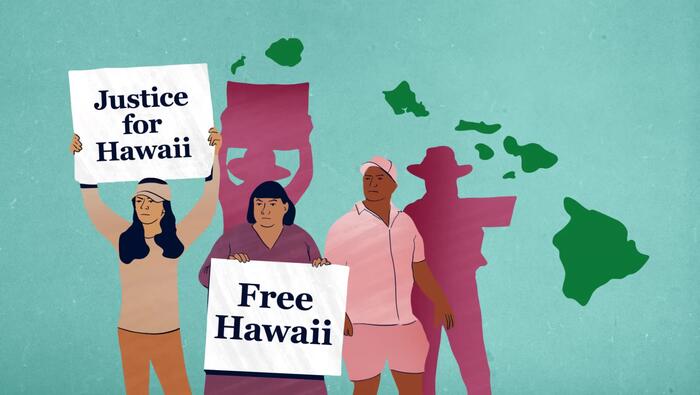
How Hawaii Became a State
In 1959, Hawaii officially became the 50th U.S. state, but its journey from a unified kingdom to statehood was marked by tumultuous events, including the overthrow of Queen Liliuokalani.
Add to Wish List
Group
Add to Cart
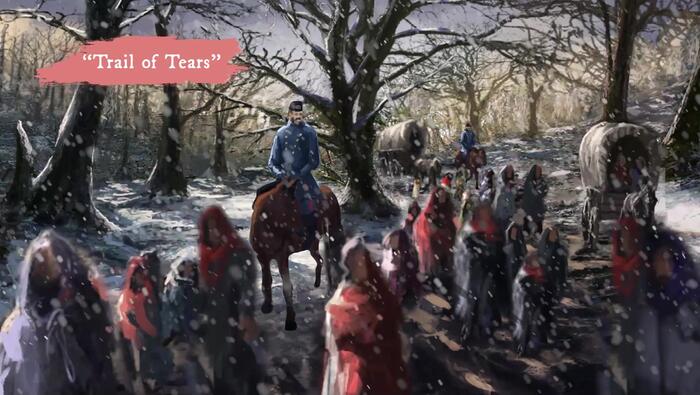
The Trail of Tears
The Trail of Tears describes the forced relocation of Indigenous peoples from the Southeast to Indian Territory in Oklahoma, a tragic journey of loss, resistance, and broken promises.
Add to Wish List
Group
Add to Cart
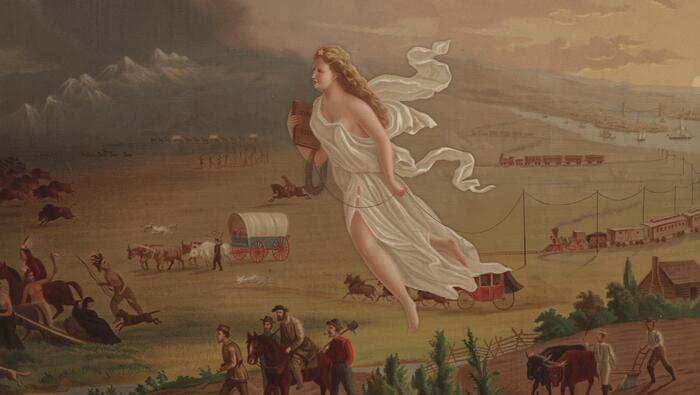
Manifest Destiny
During the 1800s, many Americans justified the displacement of Indigenous Peoples by claiming White settlers had a divine right, or Manifest Destiny, to colonize the continent in the name of God.
Add to Wish List
Group
Add to Cart
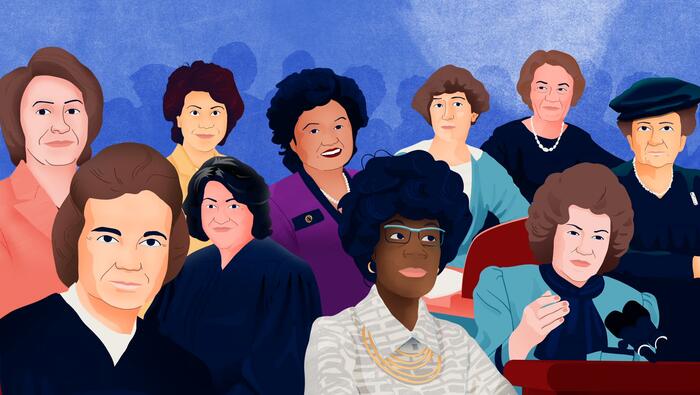
Women in United States Politics
Since the early 1900s, women have reshaped American politics across all three branches of government, driving progress, influencing policies, and advancing the ideals of democracy.
Add to Wish List
Group
Add to Cart
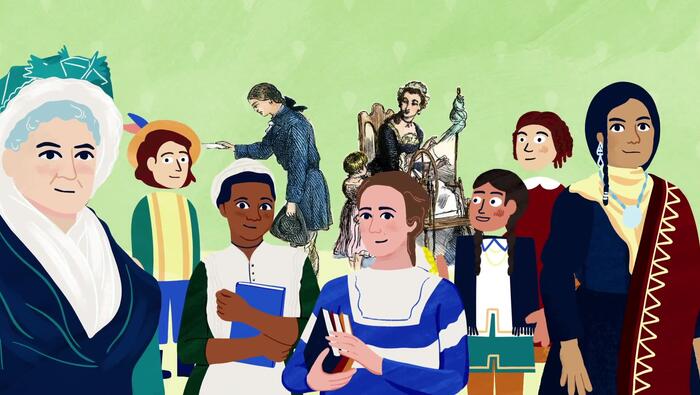
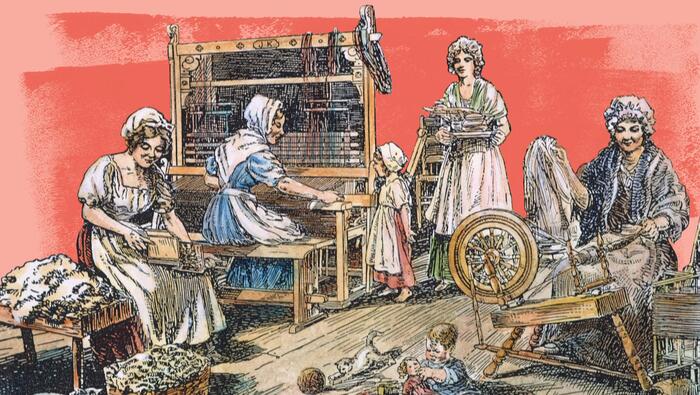
Women in the American Revolution
During the American Revolution, women played diverse and crucial roles, from leading protests and producing goods, to gathering intelligence and writing inspirational works of literature.
Add to Wish List
Group
Add to Cart
The Christmas Truce of 1914
On Christmas Day 1914, British and German soldiers left their trenches to share songs, gifts, and even a football match—finding peace amid the horrors of World War I.
Add to Wish List
Group
Add to Cart
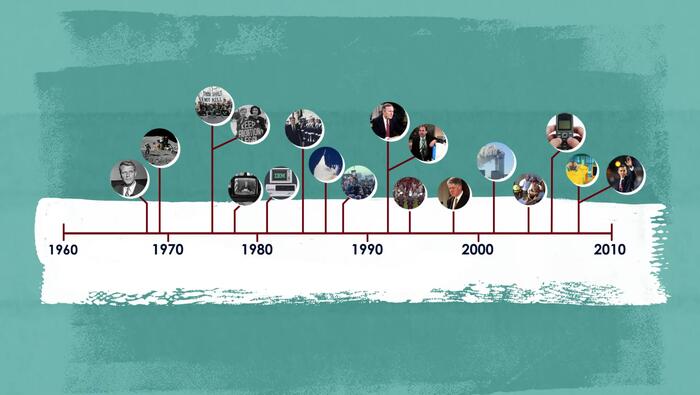
Key Events: 1968 - 2008
Civil rights, war, scandal, and space – over forty unprecedented years, between 1968 and 2008, the United States underwent dramatic social, technological and political change.
Add to Wish List
Group
Add to Cart
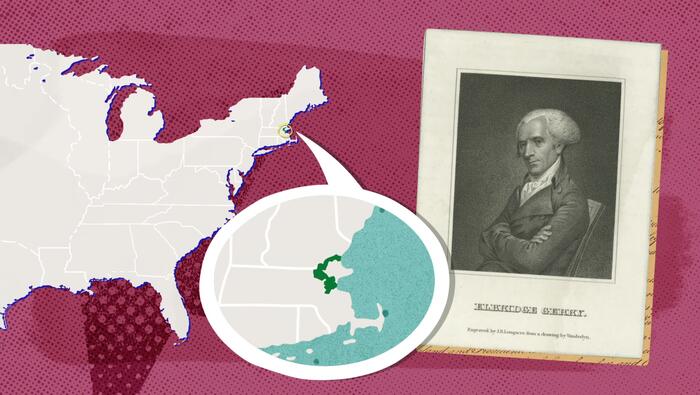
What is Gerrymandering?
Gerrymandering is the drawing of electoral districts to give one political party an unfair advantage, a practice that goes back to the earliest days of the United States, and still influences politics today.
Add to Wish List
Group
Add to Cart
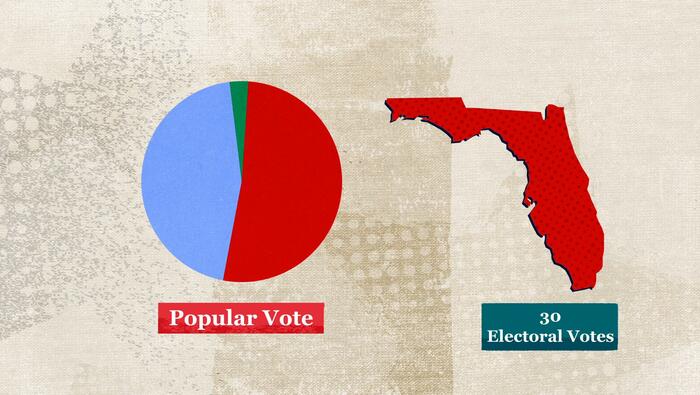
American Democracy: The Electoral College
The Electoral College blends population-based and equal state representation in American presidential elections, attempting to balance between populous and smaller states.
Add to Wish List
Group
Add to Cart
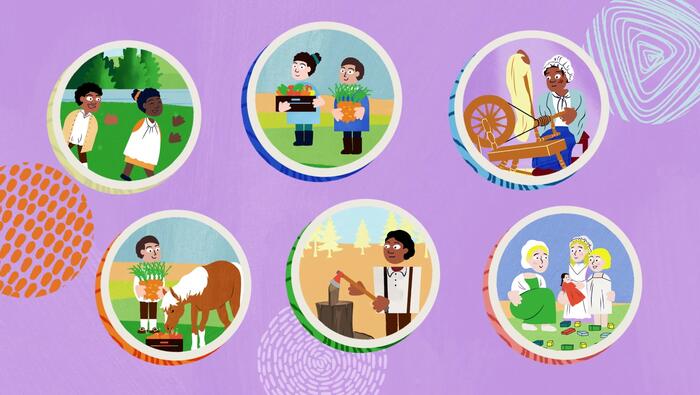
Work in the Thirteen Colonies
In the Thirteen Colonies, people's jobs reflected the needs of their communities, ranging from farming and skilled trades to leadership roles, as people worked together to help the colonies grow.
Add to Wish List
Group
Add to Cart
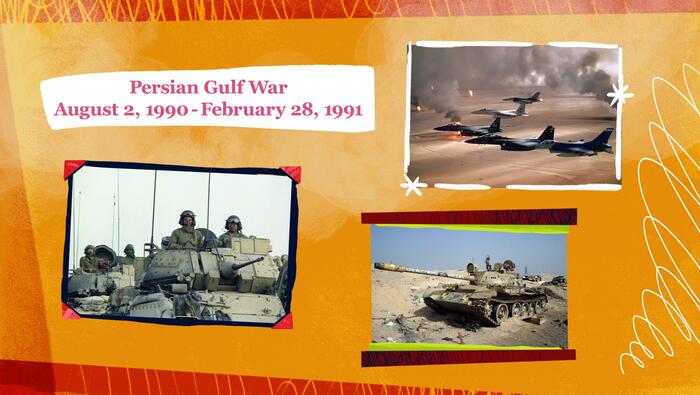
Causes of the Persian Gulf War
In 1990, Iraq invaded neighboring Kuwait, triggering the Persian Gulf War, a conflict caused by decades of territorial disputes, oil politics, and Saddam Hussein's regional ambitions.
Add to Wish List
Group
Add to Cart
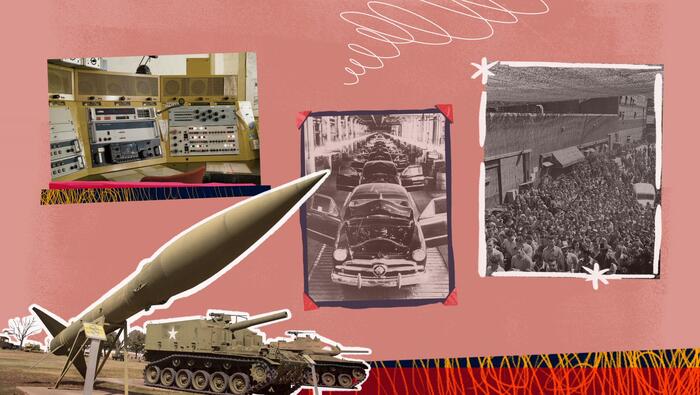
Cold War on the Homefront
The Cold War, a geopolitical conflict between the forces of capitalism and communism, shaped American life, from the rise of the military-industrial complex to nuclear fears and cultural shifts.
Add to Wish List
Group
Add to Cart
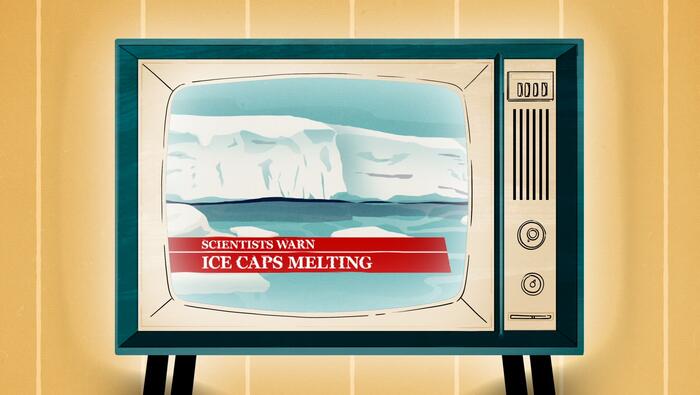
Conservation in the Modern Age
In the late 20th and early 21st centuries, the United States responded to climate change by joining global efforts like the Paris Agreement and embracing Indigenous knowledge in conservation.
Add to Wish List
Group
Add to Cart
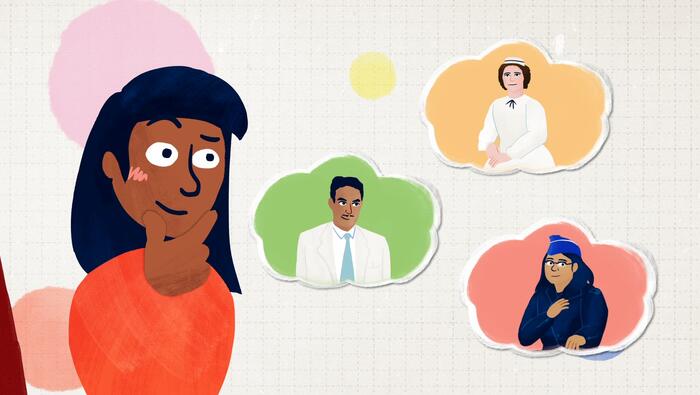
Stories of Service
Nurse Clara Barton, lawyer Thurgood Marshall, and army pilot Tammy Duckworth all embodied service – by helping others, they helped their communities and their country.
Add to Wish List
Group
Add to Cart
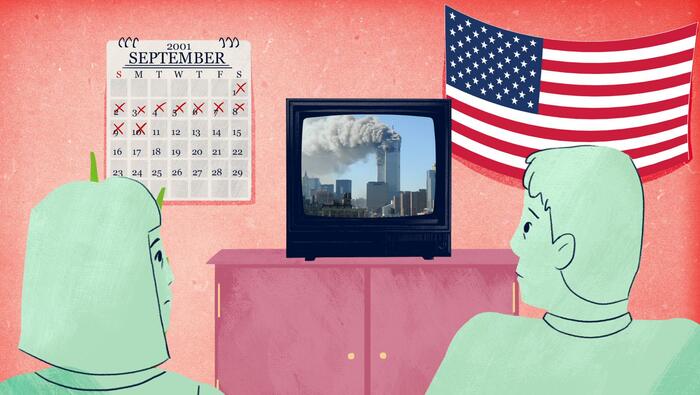
Terrorism
Terrorism – the deliberate use of violence to create fear, destabilize communities, or achieve political goals – takes many forms, reflecting the diverse motives of its perpetrators.
Add to Wish List
Group
Add to Cart
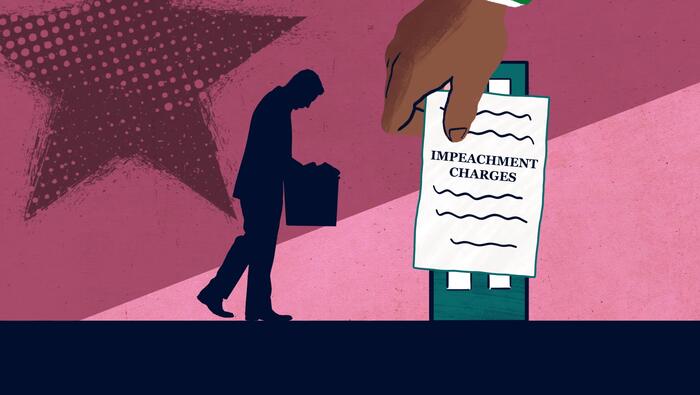
Impeachment
The U.S. Constitution’s impeachment process holds federal officials accountable for wrongdoing through a system of charges, trials, and checks on power.
Add to Wish List
Group
Add to Cart
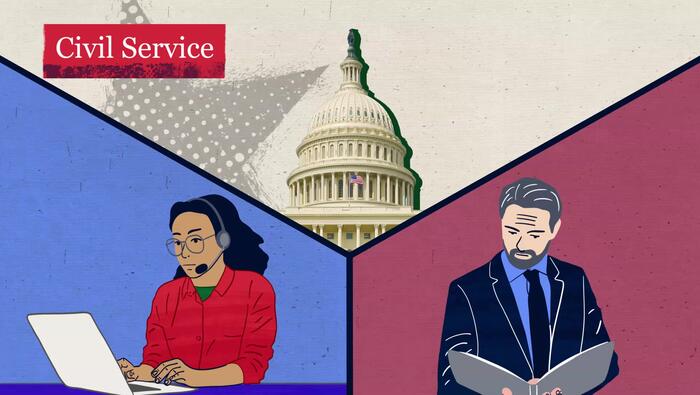
The Civil Service
Civil service reform began after the assassination of President Garfield, leading to a new system where government jobs were awarded based on merit, not politics.
Add to Wish List
Group
Add to Cart
How Technology has Changed Over Time
Over centuries, the invention of new machines – from the printing press and the telephone, to trains and cars – has changed how people have fun, communicate, and travel.
Add to Wish List
Group
Add to Cart
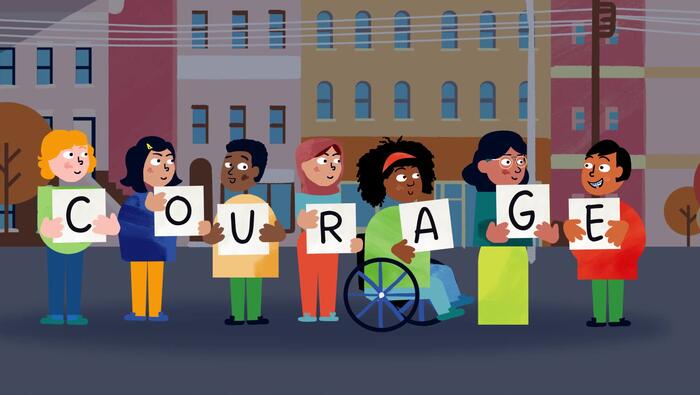
Stories of Courage
James Lafayette, Jackie Robinson, and Kalpana Chawla are just three people from history who showed courage by standing up for what's right and pursuing their dreams, despite many challenges.
Add to Wish List
Group
Add to Cart
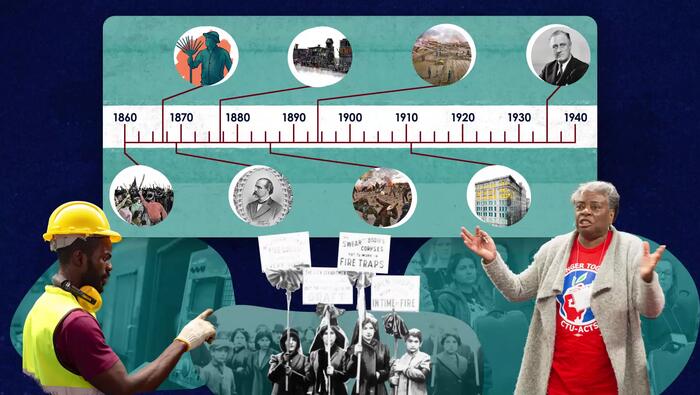
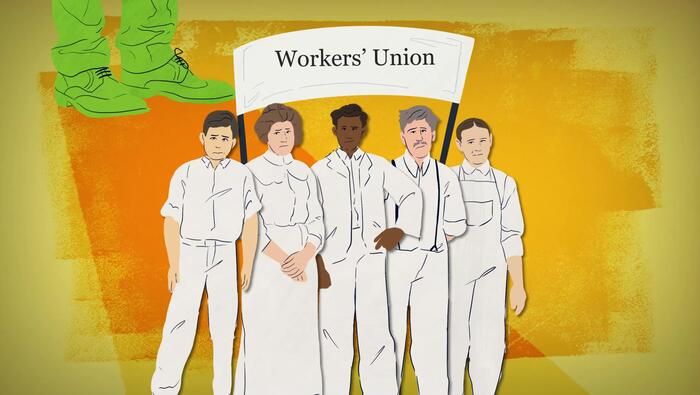
The United States Labor Movement
Between the 1860s and 1930s, American workers united to demand rights, forming the first national labor unions and organising strikes that reshaped labor laws and improved the working lives of millions.
Add to Wish List
Group
Add to Cart
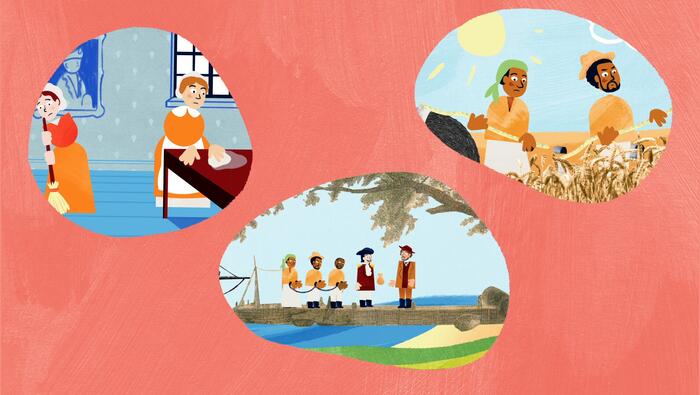
Indentured Servants and Enslaved People
In the Thirteen Colonies, indentured servants worked to earn their freedom, but enslaved people, most of whom were African, lived and died without ever experiencing the possibility of gaining freedom.
Add to Wish List
Group
Add to Cart
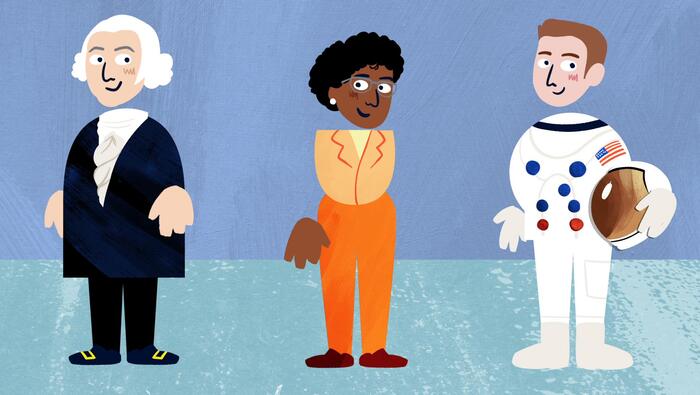
Stories of Leadership
President George Washington, Congresswoman Shirley Chisolm, and astronaut Neil Armstrong all showed leadership in their lives and careers, inspiring others by the examples they set.
Add to Wish List
Group
Add to Cart
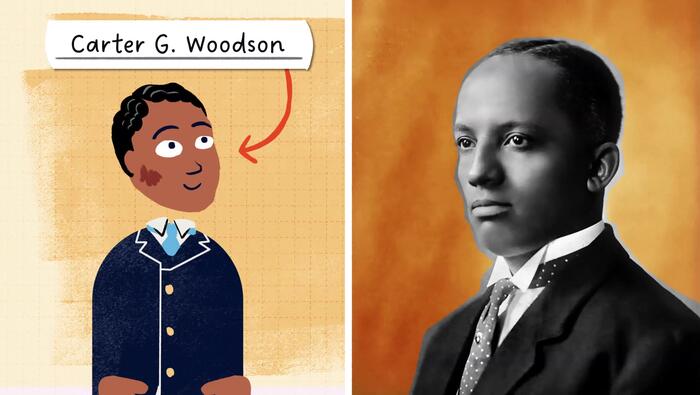
Stories of Honesty
Throughout American history, people like Abraham Lincoln, Carter G. Woodson, and Ruth Bader Ginsburg have shown honesty by speaking and acting truthfully.
Add to Wish List
Group
Add to Cart
Labor Unions in the United States
From the Industrial Revolution to today, workers in the United States have banded together to form unions to advocate for better pay, workplace conditions and shorter hours.
Add to Wish List
Group
Add to Cart
Our Changing Environment
The environment is always changing because of things people do. Discover how forests, towns, and rivers have changed over time, and what people are doing to protect the natural world.
Add to Wish List
Group
Add to Cart
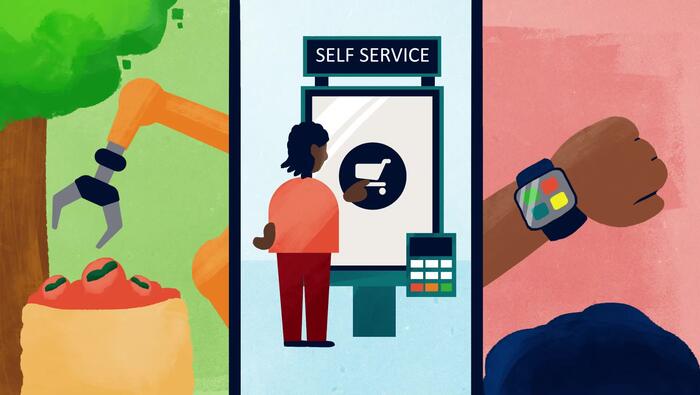
How Jobs Change
The jobs that people have are always changing. As machines and computers become smarter, new types of jobs are created, and the way people work continues to evolve.
Add to Wish List
Group
Add to Cart
Housing
Where we live impacts our homes, reflecting the materials, designs, and adaptations needed for different climates and landscapes across the United States.
Add to Wish List
Group
Add to Cart
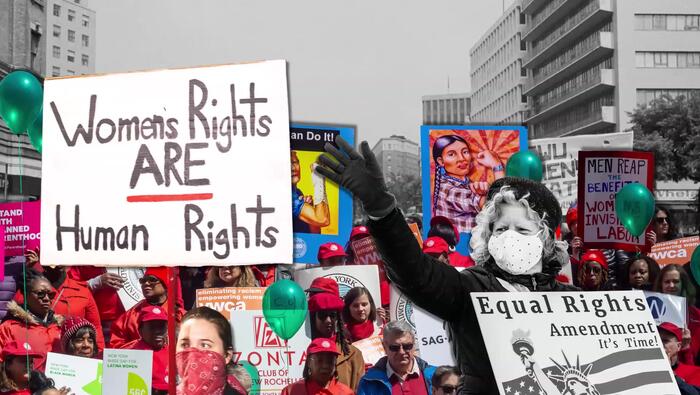
Women’s Liberation
In the 1960s, women in the United States began to push back against traditional gender norms to live, work, and contribute on an equal footing with men, achieving significant legal victories.
Add to Wish List
Group
Add to Cart
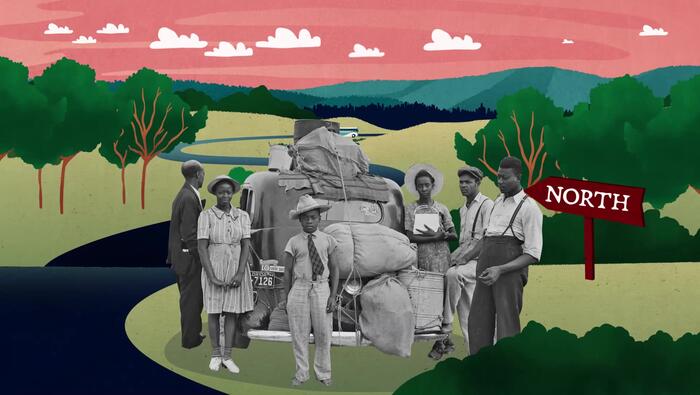
The Second Great Migration
From 1940 to 1970, over 5 million African Americans moved away from the racial prejudice of the Southern states to urban centers in the North, in the largest migration in American history.
Add to Wish List
Group
Add to Cart
Urbanization of the United States
Urbanization transformed American life between 1880 and 1900 — driving economic growth, cultural change, and social inequality in rapidly growing towns and cities.
Add to Wish List
Group
Add to Cart
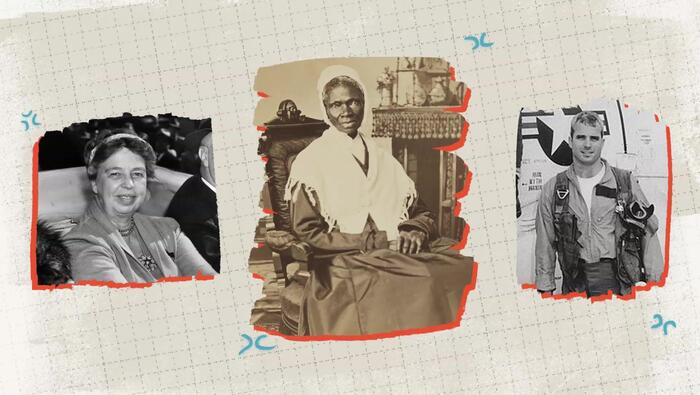
Stories of Respect
What does it mean to show respect? Three famous Americans – abolitionist Sojourner Truth, First Lady Eleanor Roosevelt, and politician John McCain – showed respect by putting others first.
Add to Wish List
Group
Add to Cart
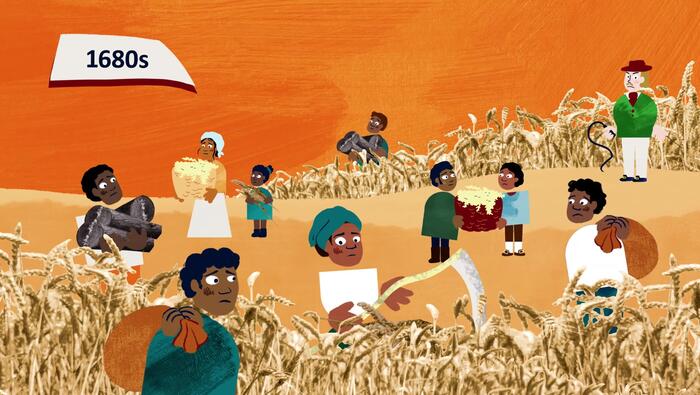
Slavery in the Colonies
In the Thirteen Colonies, slavery became an economic system shaped by law – one that treated terribly those of African descent and impacted millions of lives across generations.
Add to Wish List
Group
Add to Cart
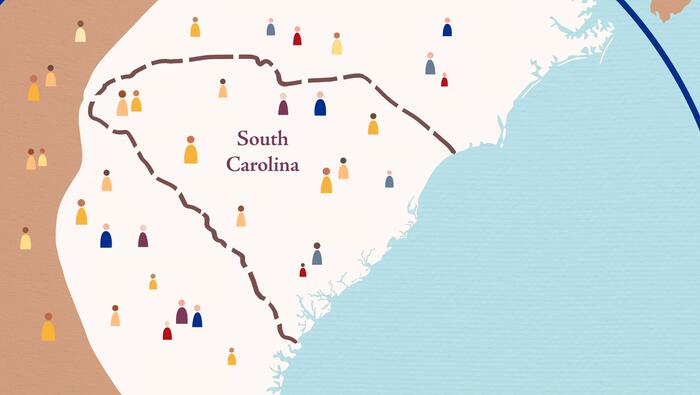
South Carolina: The Ulster-Scots in South Carolina
From the mid-1770s, Ulster-Scots families journeyed from Scotland and Ireland to South Carolina, shaping its communities, culture, and fight for independence.
Add to Wish List
Group
Add to Cart
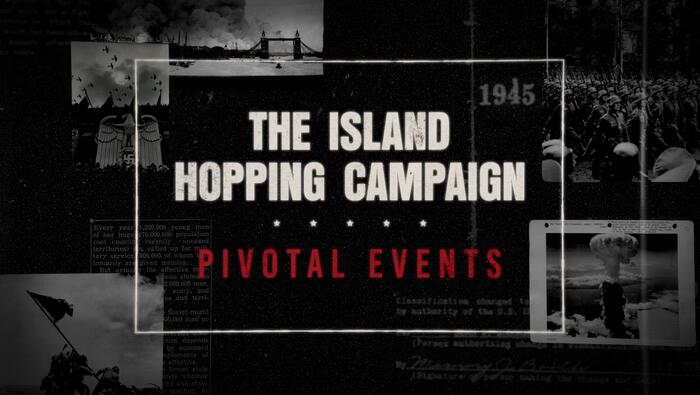
The Island Hopping Campaign
During World War II, the Allies used a strategy called “island hopping” to break Imperial Japan’s dominance in the Pacific by capturing small islands leading toward the Japanese mainland.
Add to Wish List
Group
Add to Cart
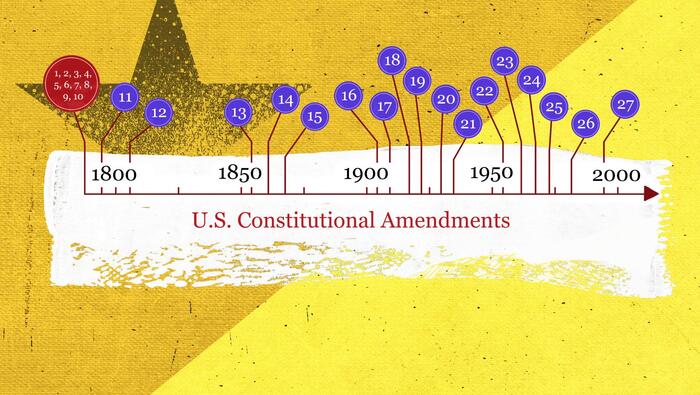
Amendments to the Constitution
The Framers of the United States Constitution allowed for the document to be changed by way of amendments, a process outlined in Article V, ensuring U.S. law evolves with the needs of the people.
Add to Wish List
Group
Add to Cart
U.S. Conservation in the 1900s
In the 20th century, American conservation efforts shifted from resource protection to environmental activism, driven by economic crisis, ecological disaster, and growing public awareness.
Add to Wish List
Group
Add to Cart
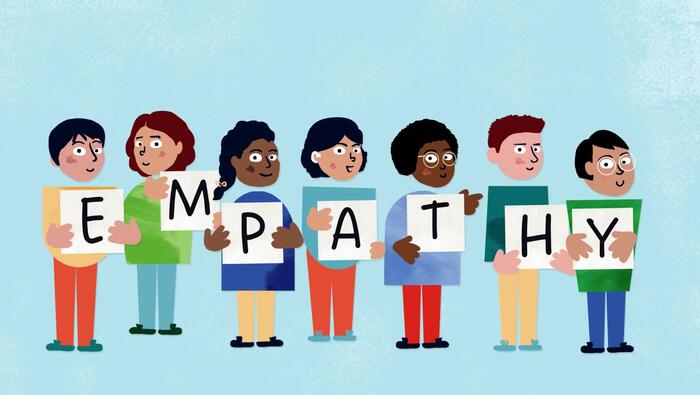
Stories of Empathy
Throughout American history, people like Maggie Walker, Helen Keller, and Larry Itliong have shown empathy toward others, helping to improve their lives through employment, education, and activism.
Add to Wish List
Group
Add to Cart
Childhood in the Thirteen Colonies
In the Thirteen Colonies, life for children was influenced by a range of factors – wealth, location, and social status decided how kids lived, worked, and learned.
Add to Wish List
Group
Add to Cart
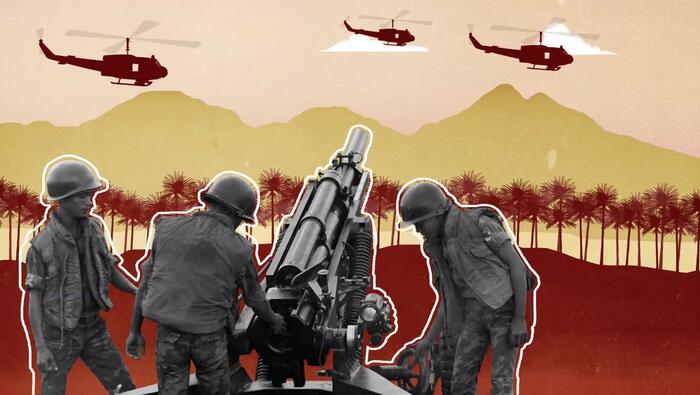
The Tet Offensive: A Turning Point in the Vietnam War
The Tet Offensive of 1968 shocked the world, challenging American military dominance, shattering public confidence in the Vietnam War, and sparking a pivotal shift in U.S. foreign policy.
Add to Wish List
Group
Add to Cart
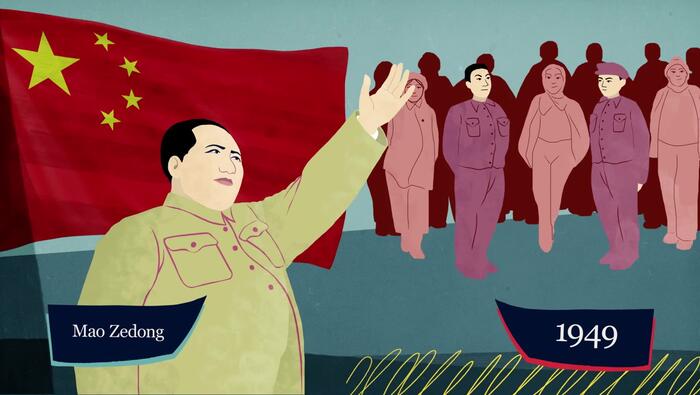
The Cold War: China
China’s Communist journey, from Mao Zedong's revolution and Cold War evolution to economic reform, shaped its rise as a global superpower and redefined its role in world history.
Add to Wish List
Group
Add to Cart
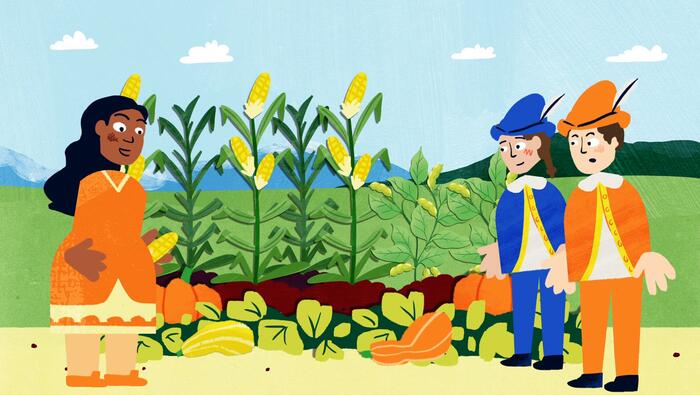
Trade Between Colonists and Indigenous Peoples
Trade initially connected European settlers and Indigenous Peoples in North America, exchanging foods, clothes, and tools, but ultimately led to conflicts and a breakdown in trust.
Add to Wish List
Group
Add to Cart
Close
Scroll for more
There are no items in your cart
Scroll for more
Login to Continue
Close
check-twotone-24px